en


For cancer patients, understanding what comes next can be just as important as the treatment itself. At Damansara Specialist Hospital in Petaling Jaya, Nurse Navigator Nur Ruzana Rashid helps patients and their families make sense of their care, access the support they need and face difficult decisions with greater confidence.

A cancer diagnosis can leave patients and their families with more questions than answers. Between consultations, scans and treatment decisions, there is often a great deal to understand and manage.
Ruzana's role is to help patients through these uncertainties, from the point of diagnosis and throughout their treatment.
“A cancer diagnosis can be overwhelming, so we also provide education, answer questions and offer reassurance to patients and their families,” she explains.
The Nurse Navigator programme was developed with support from Mayo Clinic Care Network consulting, following Damansara Specialist Hospital and Damansara Specialist Hospital 2 becoming the first Malaysian members of the Mayo Clinic Care Network in February 2024.
The programme is supported by a weekly multidisciplinary tumour board involving oncologists, surgeons, pathologists, radiologists, pharmacists, dietitians, rehabilitation specialists and patient educators.
A Guide Through Cancer Care
For many patients, a Nurse Navigator is someone who helps them understand their treatment plan, coordinate appointments and access the appropriate care and support.
The role also provides a consistent point of contact as patients move between consultations, investigations and treatment. Working closely with the multidisciplinary team, Ruzana helps patients understand what to expect and what decisions they may need to make.
“Our goal is to make the journey less overwhelming, ensuring every patient feels informed, supported and never alone,” she says.
Yet some of the most important aspects of her work cannot be measured by appointments or treatment schedules alone. They emerge through conversations with patients and families, particularly when fear and uncertainty affect their decisions.
The Conversation That Stayed With Her
One patient Ruzana remembers was a woman in her 30s who returned to the Oncology Department at Damansara Specialist Hospital after her breast cancer had spread to her bones.
A year earlier, before Ruzana joined the department, the patient had sought treatment while her cancer was still at an earlier stage. However, fear, uncertainty and the influence of loved ones led her to pursue alternative treatments instead.
By the time she returned, her condition had deteriorated significantly. Her treatment had shifted from curative treatment to palliative radiotherapy to help relieve her pain and improve her quality of life.
What Ruzana remembers most was not only the patient's illness, but what she feared losing
“During our conversations, I realised her greatest fear was not the cancer itself but what would happen to her three young children,” Ruzana recalls. “Even in the face of her illness, her greatest concern was for her family.”

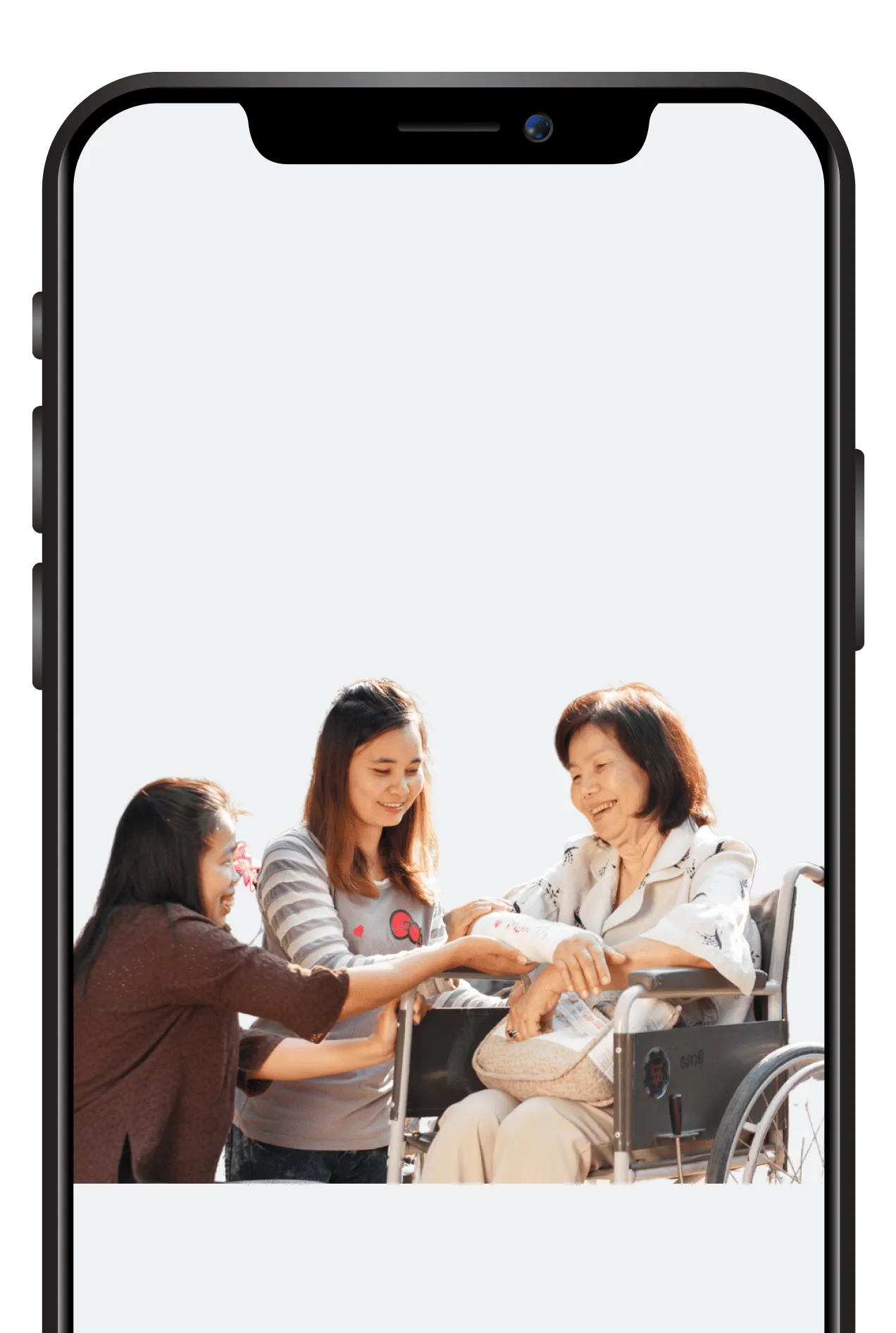
As a Nurse Navigator, Ruzanna helps patients navigate their treatment with clarity, confidence
and compassionate support
and compassionate support
The experience reinforced for Ruzana how much trust, early education and clear communication matter in cancer care. Patients need reliable information, but they also need someone who understands the concerns behind their questions.
“It reinforced that our role extends beyond coordinating care. It is about building trust, listening with empathy and helping patients make informed decisions at every stage of their journey,” she says.
For Ruzana, the experience also highlighted the importance of compassionate support while patients still have the opportunity to consider their treatment options and make informed decisions about their care.
“Knowing I’ve helped make someone’s journey less overwhelming is what makes this role so meaningful.”
- Nur Ruzana Rashid, Nurse Navigator, Damansara Specialist Hospital
What Patients Teach Us
Ruzana considers the relations she develops with patients and their families among the most rewarding aspects of her work.
“Seeing patients become more confident, informed and reassured as they move through treatment is incredibly fulfilling,” she says.
Those relationships have also changed the way she approaches her responsibilities. Every patient faces different circumstances, and the concerns that matter most are not always apparent from a diagnosis or treatment plan.
Some worry about finances. Others fear the impact of their illness on their families or whether they will have enough time with loved ones.
Ruzana has learned to listen before offering explanations, to understand each person's concerns and to recognise when reassurance matters as much as information.
Sometimes, what patients need most is not another medical explanation, but someone willing to sit with them, answer their questions honestly and listen.
Small acts of kindness can also have a lasting effect. A timely conversation, practical guidance or simply being present during a difficult moment may help patients and families feel more confident about what lies ahead.
For Ruzana, these experiences are a reminder that patients should be treated as individuals, not defined solely by their diagnosis.
“Caring for patients is about more than supporting their treatment,” she says. “It is about understanding what matters most to them and being there when they need someone to listen.”

Ruzana and Consultant Oncologist Dr Sangeetha Poovaneswaran (left) collaborate to support every patient's treatment journey at Damansara Specialist Hospital.
The Value of Continuity in Cancer Care
As cancer treatment becomes increasingly complex, Ruzana believes the Nurse Navigator have an important role in helping patients receive timely, coordinated and patient-centred care.
Their contribution extends beyond appointment coordination. By helping patients understand their options, remain informed and maintain contact with the multidisciplinary team, Nurse Navigators support continuity throughout treatment.
Within the KPJ Health System, this approach reflects the importance of Practice in delivering care that considers both clinical outcomes and the patient's experience. Effective cancer care depends not only on treatment decisions, but also on communication, education and consistent support throughout the course of care.
For Ruzana, the future of nurse navigation lies in strengthening these aspects of care so that patients and families are better equipped to make informed decisions, even during the most difficult periods of their lives.
“By strengthening continuity of care and empowering patients to make informed decisions, the role can also contribute to better patient outcomes and experiences,” she says.